
There’s a certain kind of quiet that feels harder to come by now. Not silence, but a steadiness. A sense that you’re not being pulled in ten directions at once. That you can sit in a space and actually arrive in it.
Why Slow Living Spaces Matter
Most of us are carrying more than we used to. Work is constant. Everything is immediate. We’re asked to make decisions quickly, to move on just as fast, and to keep up with a pace that rarely leaves room to stop. And in response to that, there’s a shift in the spaces we’re drawn to, the ones that actually settle us. They’re slower. Designed in a way that allows you to pause and stay a little longer. It’s not new, but it feels more present than ever. Not sparse or minimal for the sake of it, but considered. Built gradually. Shaped by instinct, as much as intention. These are spaces that haven’t been rushed into completion. They’ve been gathered.
Objects That Carry Meaning
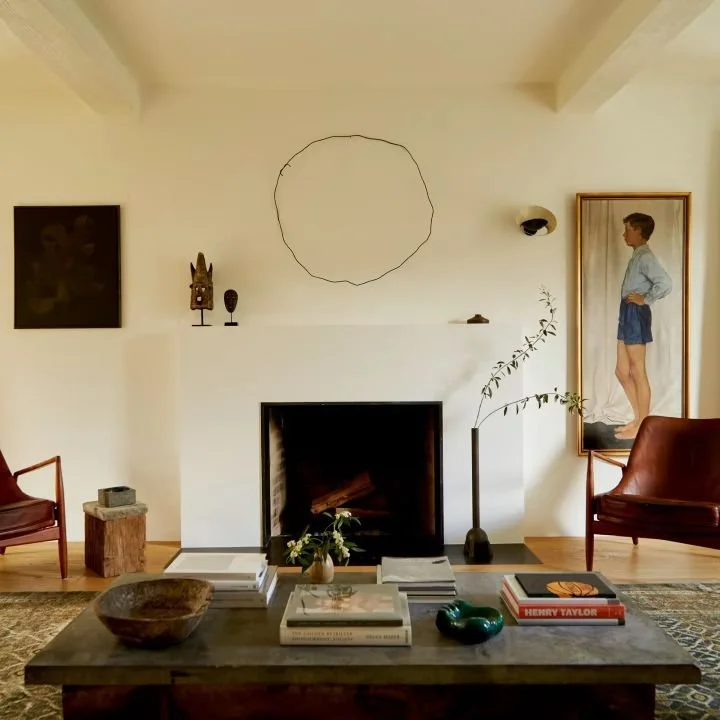
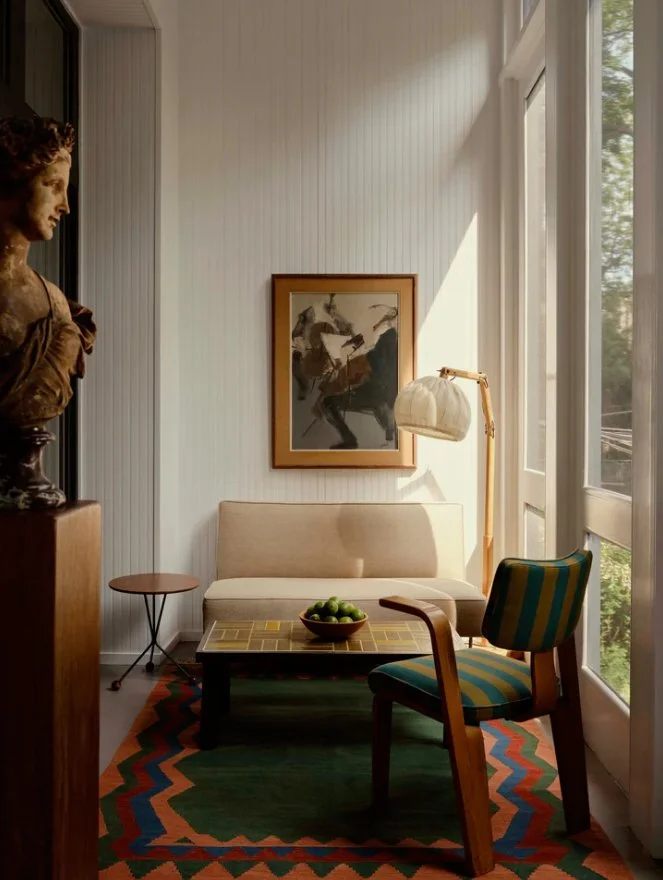
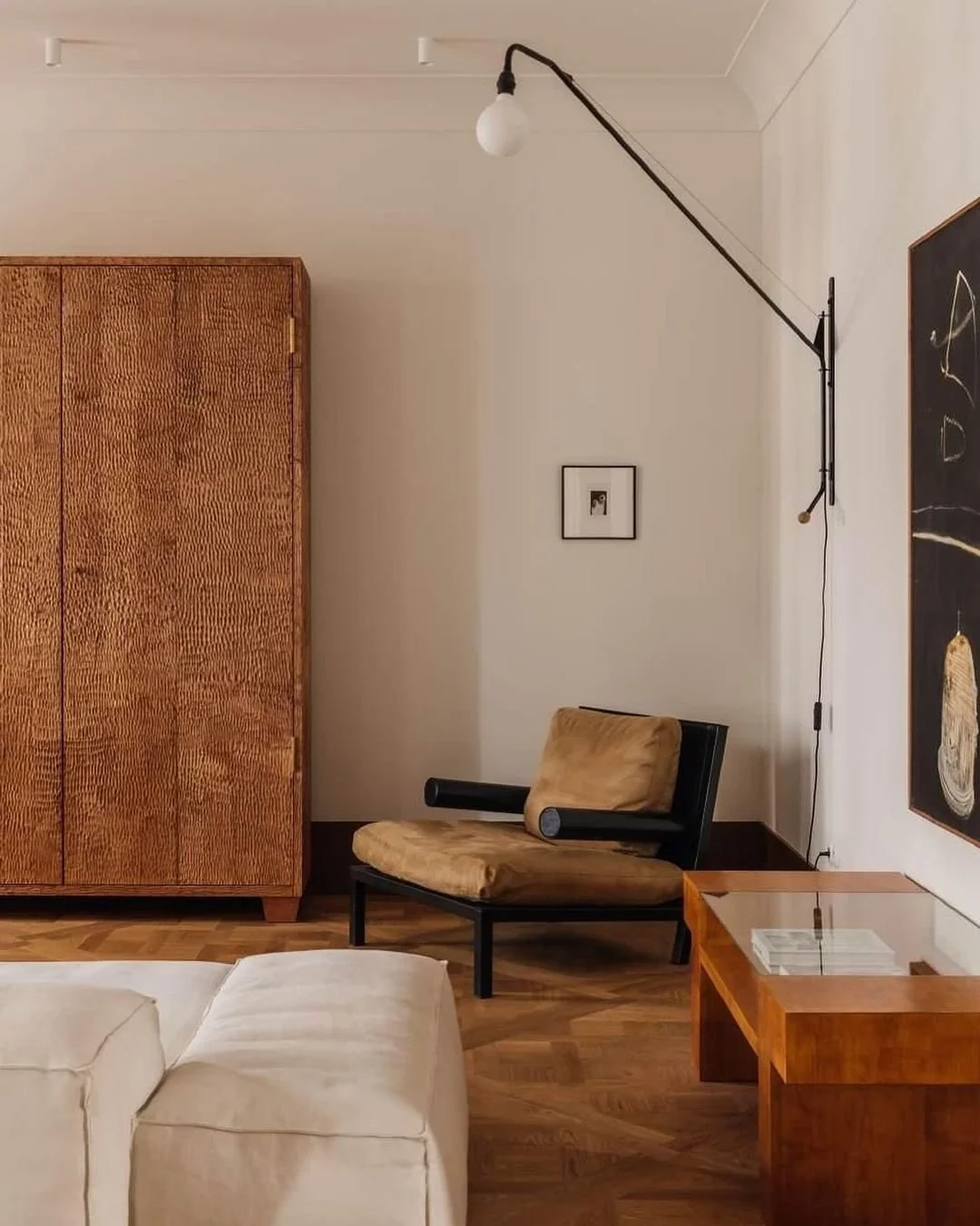
And often, at the centre of them, are things that have taken time. A chair that feels solid in a way that’s hard to explain. A piece of pottery that sits slightly uneven on the table. A light that casts a softness you didn’t know you needed until you lived with it. These aren’t perfect objects, and that’s precisely the point. You can feel the hand behind them. Not in an obvious way, not something you necessarily articulate, but in the weight, the texture, the way they hold themselves in a room. They carry the years someone has spent refining their craft. The repetition, the patience, the quiet discipline of doing something well, over and over again. There’s a kind of steadiness in that. And when those pieces find their way into a home, they seem to ask something of us in return. To slow down, even slightly. To notice where we are. To engage with our surroundings rather than move straight past them. It’s a different way of living. One that sits a little more gently alongside the pace of everything else.
The Shift Towards Calm Interior
There’s been a clear move in design towards calm. Materials that feel honest, spaces that feel grounded rather than overstated. It’s often spoken about in terms of aesthetic, but it runs deeper than that. It’s about how a space supports you. How it holds you at the end of a long day. How it gives you somewhere to land when everything else feels loud. How it allows your mind to settle, even briefly. That kind of space isn’t created through a checklist. It doesn’t come from getting everything right in one go. It comes from paying attention. From trusting your gut. From choosing things that resonate, even if they don’t follow a clear theme.
Designing A Home That Evolves Over Time
It also comes from letting go of the idea that a home needs to be finished. Some of the most enduring interiors are the ones that are still becoming. They shift over time. Pieces are added slowly. Others fall away. What remains is a reflection of how someone has lived, not just how they wanted something to look. And within that, the objects that stay tend to share something in common. They’ve earned their place. Not through cost, or status, or trend, but through use. Through familiarity. Through the way they continue to feel right, even as everything else changes. They become markers of time. Of moments. Of chapters you don’t always recognise until later.
A Home Shaped Slowly
In a world that is constantly asking us to move faster, there’s something quietly reassuring about holding onto things that were never made in a hurry. And perhaps that’s where the shift really sits. Not in creating something new, but in returning to something we’ve always known. That a home, at its best, isn’t a finished product. It’s a collection of things we’ve chosen to keep throughout our lives.
Lara & Miranda x
Imagery – Home of Cameron Smith, photographed by Billal Taright, styling by Colin King. Somerset House. Zofia Wyganowska Studio.